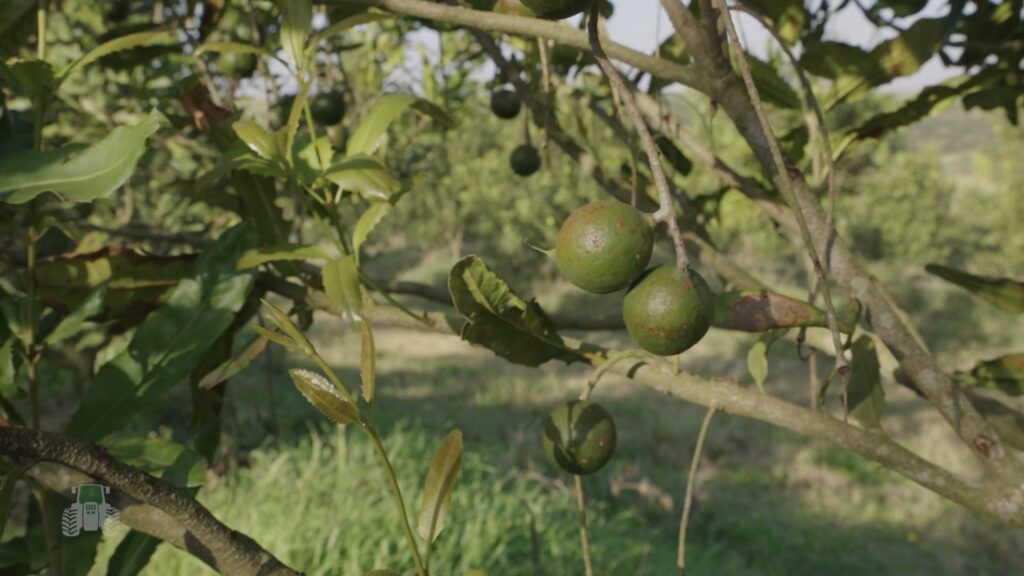
Ask anyone who grew up in KwaZulu-Natal about avocados and there is a good chance they will mention that tree. The giant one in granny’s back garden, dropping fruit the size of a small rugby ball, so many that the neighbours got a bag every week. Big, smooth, green and mild, with soft pale flesh you could spread like butter. In KZN, people call it the Natal butter avocado, or simply a “butter pear”.
But what exactly is a Natal butter avocado? Is it a real variety? Why does it taste so different from the Hass you buy at the shop, and why do you almost never see it in commercial orchards? We grow avocados ourselves on our orchards in the KwaZulu-Natal Midlands, so we dug into the history and the science. The story goes back more than a century.
The short version
- “Natal butter” is a local nickname, not an official cultivar. It usually describes large, low-oil avocados from old West Indian-type seedling trees.
- West Indian avocados dominated South African markets until about 1925, with the Natal coast as a major supplier.
- They are mild, soft and watery-textured compared with Hass and Fuerte, because they contain much less oil.
- They are the least cold-tolerant avocado type, so they suit the frost-free coast far better than the cooler Midlands.
- Commercial KZN orchards mostly grow Hass, Fuerte, Pinkerton and similar varieties instead.
What Is a Natal Butter Avocado?
There is no registered avocado cultivar called “Natal butter”. The name is a local, everyday label that South Africans, especially in KZN, use for big, round to pear-shaped, smooth green avocados with mild, buttery flesh.
Industry writers describe exactly this kind of fruit. As Farmer’s Weekly has noted in its history of the local industry, large, low-oil fruit from West Indian seedling trees, often called “butter avocados”, are still common backyard trees in parts of South Africa, and some people even prefer them to the higher-quality commercial hybrids. When someone in Durban, Pietermaritzburg or the North Coast talks about a “butter pear”, this is almost always the fruit they mean.
Quick answer: A Natal butter avocado is a nickname for a large, low-oil, smooth-skinned avocado, usually from an old West Indian-type seedling tree. It is a type of fruit people recognise, not a variety you can order by name from a nursery.
A Very Natal History
Avocados arrived in South Africa long before the modern industry. According to a 1931 report by Dr Redyers Blatt in the California Avocado Association Yearbook, the country’s avocado trees consisted chiefly of West Indian seedling trees until 1925. West Indian avocados were sold on all South African markets, with the Natal coast and the Transvaal Lowveld supplying most of them, and in Natal the fruit was grown mostly by Indian farmers.
That same report describes old West Indian seedling trees in Durban that were well over fifty years old even then. Some seedling trees elsewhere carried two to three thousand fruit each. In other words, the giant tree in granny’s garden has a long and very local family tree.
From 1925, budded Mexican and Guatemalan varieties were introduced, and the first commercial plantings, mainly of Fuerte, followed in 1938 in the Lowveld near Tzaneen and Mbombela, as FreshPlaza’s overview of South African avocado history explains. Commercial orchards moved on, but the old butter avocado trees stayed in gardens and smallholdings, especially along the coast.
Why Does It Taste So Different?
Every avocado belongs to one of three botanical “races”, or is a hybrid of them: West Indian, Guatemalan and Mexican. The University of California’s avocado specialists explain that the three races differ in leaf chemistry, peel texture and colour, oil content and disease and salt tolerance (UC Agriculture and Natural Resources).
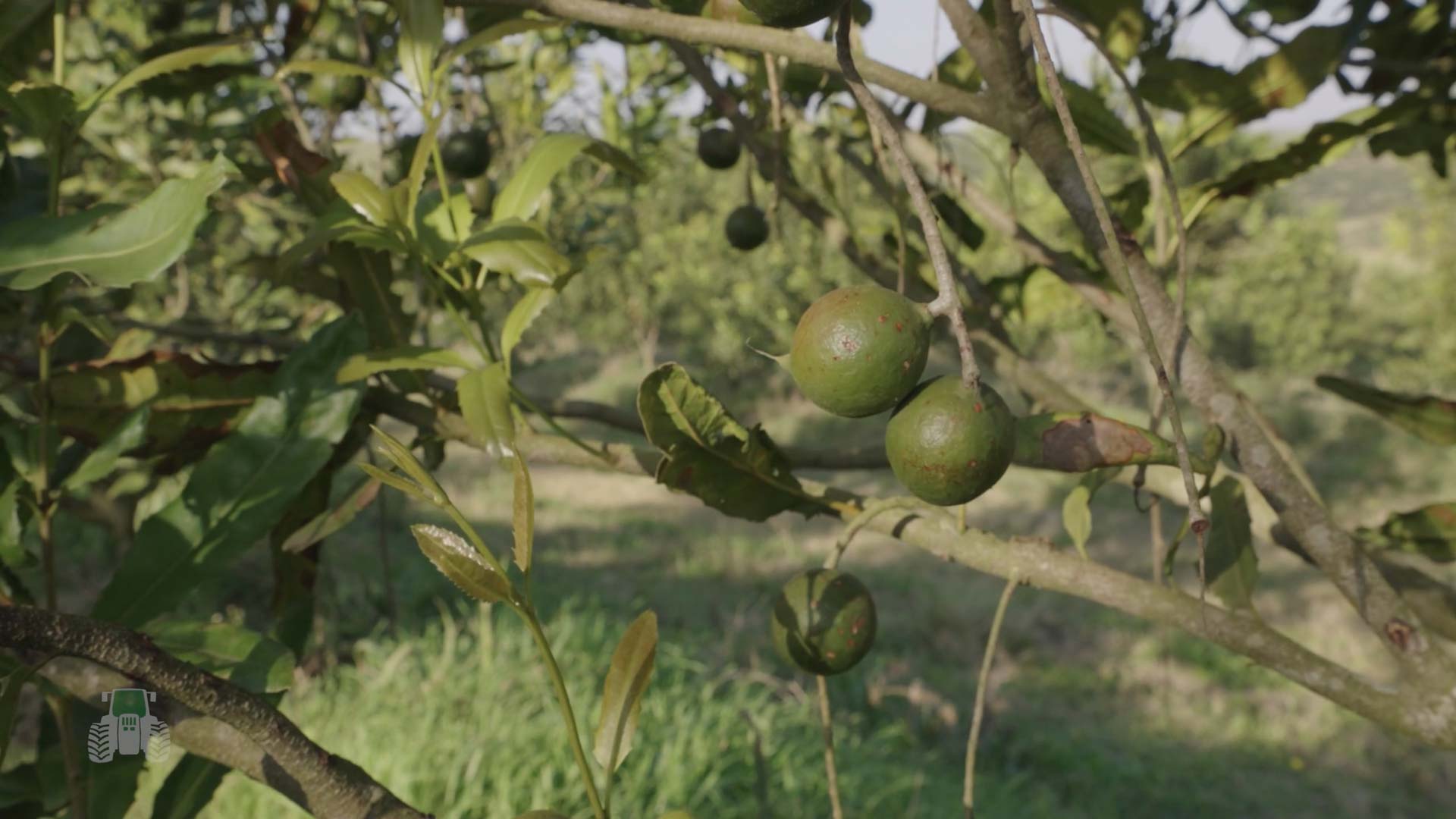
The Natal butter avocado tastes the way it does because of its West Indian roots. Compared with the other races, West Indian fruit has much lower oil content, a milder, sometimes watery texture, and medium-thick, often shiny skin. That lower oil is exactly why it feels light and soft rather than rich and nutty.
| Trait | West Indian (butter type) | Guatemalan | Mexican |
|---|---|---|---|
| Climate preference | Tropical, lowland | Subtropical | Cooler, highland |
| Cold tolerance | Lowest | Intermediate | Highest |
| Oil content | Low | High | Highest |
| Flavour | Mild, sometimes watery | Often nutty | Rich, sometimes spicy |
| Skin | Smooth and shiny, medium thickness | Thick and rough | Thin |
| Harvest timing | Earliest | Later | Early |
How to Recognise a Natal Butter Avocado
You will usually know one when you hold it. Look for these signs:
- Size. Noticeably large. West Indian-type fruit can range from a few hundred grams to well over a kilogram.
- Skin. Smooth, glossy and green, often staying green or turning yellow-green when ripe, rather than going dark purple-black like Hass.
- Shape. Round to pear-shaped, often with a big seed.
- Flesh. Pale yellow-green, soft and very mild, with a lighter, wetter texture than Hass or Fuerte.
- Where it came from. A backyard or smallholding tree, very often on the coast or in a warm valley, rather than a supermarket shelf.
Natal Butter vs Hass, Fuerte and Pinkerton
So how does the butter avocado stack up against the varieties grown in commercial orchards, including our own? Today around 90% of international avocado trade is in Hass, which is also South Africa’s main cultivated variety, followed by Fuerte. Pinkerton, Ryan, Reed, GEM and Maluma are among the other varieties grown locally.
| Avocado | Skin when ripe | Texture and flavour | Best for |
|---|---|---|---|
| Natal butter (West Indian type) | Smooth, green to yellow-green | Very mild, soft, lower oil | Fresh slices, salads, smoothies |
| Hass | Pebbly, turns dark purple-black | Rich, creamy, nutty | Guacamole, toast, everything |
| Fuerte | Smooth, stays green | Creamy, milder than Hass | Salads, sandwiches, toast |
| Pinkerton | Slightly rough, green | Creamy, high flesh-to-seed ratio | Slicing, cooking, baking |
Why Commercial Orchards Rarely Grow Them
If butter avocados are so loved, why don’t farmers plant orchards full of them? Three reasons stand out:
- Frost. West Indian avocados are the least cold-tolerant of all the races. Even the 1931 yearbook noted that frost resistance was the big question. The cooler, frost-prone Midlands, where our orchards are, is not their natural home.
- Oil and maturity standards. Commercial fruit is picked against maturity standards linked to oil and moisture content. Subtrop, which manages the South African Avocado Growers’ Association, reminds growers that fruit must be mature before it is picked. Low-oil fruit behaves very differently.
- Shelf life and export. Hass travels well and the world knows it. Large, soft, thin-skinned fruit bruises more easily and is harder to pack and ship.
Seedling trees also don’t come true from seed. A tree grown from a butter avocado pip may produce fruit quite unlike its parent, which is why commercial growers plant grafted trees of known varieties instead.
When Are Butter Avocados in Season?
West Indian types are known as the earliest-ripening avocados. A 1940 article from Farming in South Africa, reprinted by the California Avocado Association, grouped “certain selected West Indian types” with the early-season varieties ripening from February to May, while Fuerte was mid-season, ripening from June to September.
The commercial South African avocado season runs much longer, from about February to November, with most fruit harvested between March and September, depending on the region and variety. Backyard butter trees vary a lot, so the best guide is simply the tree in front of you.
How to Ripen, Store and Enjoy a Butter Avocado
- Pick or buy it firm. Avocados don’t ripen properly on the tree. They soften after picking.
- Ripen at room temperature. Leave it on the kitchen counter, or put it in a paper bag with a banana or apple to speed things up.
- Test gently. It’s ready when it gives slightly under gentle pressure near the stem. Because the skin often stays green, colour is not a reliable guide.
- Refrigerate once ripe. This slows it down by a few days.
- Play to its strengths. The mild, light flesh is lovely sliced into salads, layered on sandwiches or blended into smoothies. For a rich guacamole, a Hass will give you more of that classic creamy depth.
Can You Grow a Natal Butter Avocado in KZN?
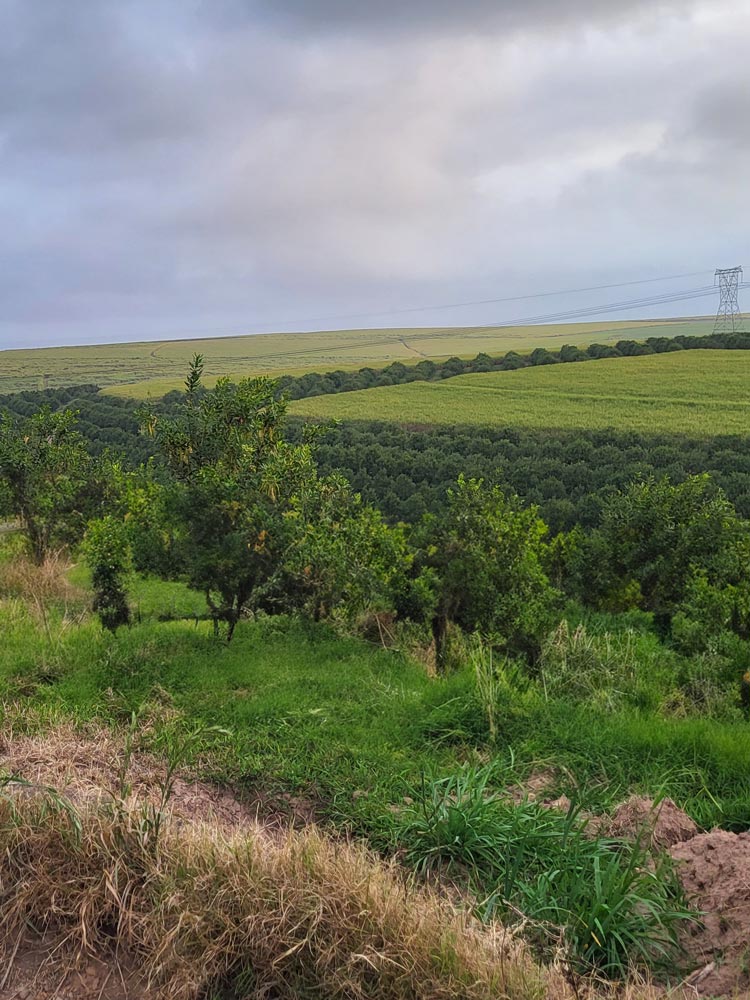
Yes, in the right spot. Warm, frost-free gardens along the coast suit West Indian types best. In colder inland areas, including much of the Midlands, they are likely to struggle in winter. If you want reliable fruit, buy a grafted tree of a known variety from a reputable nursery rather than planting a pip, and ask which varieties suit your area.
If you are curious about avocados on a larger scale, read about how we manage our Hass, Fuerte and Pinkerton orchards, or see how avocados fit into a diversified farm alongside our sugarcane and macadamias.
Natal Butter Avocado: Frequently Asked Questions
Is “Natal butter” a real avocado variety?
Not officially. It is a local nickname for large, low-oil, smooth-skinned avocados, usually from old West Indian-type seedling trees, rather than a registered cultivar.
What type of avo is the Natal butter pear?
Most Natal butter pears are West Indian-type avocados, or hybrids with strong West Indian traits: large, mild and low in oil.
Why is a butter avocado watery compared with Hass?
Because West Indian-type avocados contain much less oil than Guatemalan and Mexican types like Hass. Less oil means a lighter, softer and sometimes watery texture.
Does Estorf Farms sell Natal butter avocados?
Our Midlands orchards grow Hass, Fuerte and Pinkerton. For trade and supply enquiries, email mark@estorf.co.za or visit our contact page.
When is avocado season in South Africa?
From about February to November, with most fruit harvested between March and September, depending on the area and variety.
From granny’s tree to our orchards
We grow Hass, Fuerte and Pinkerton avocados in the KwaZulu-Natal Midlands near Dalton, picked at the right maturity and packed close by. Explore our avocado orchards or talk to our team.