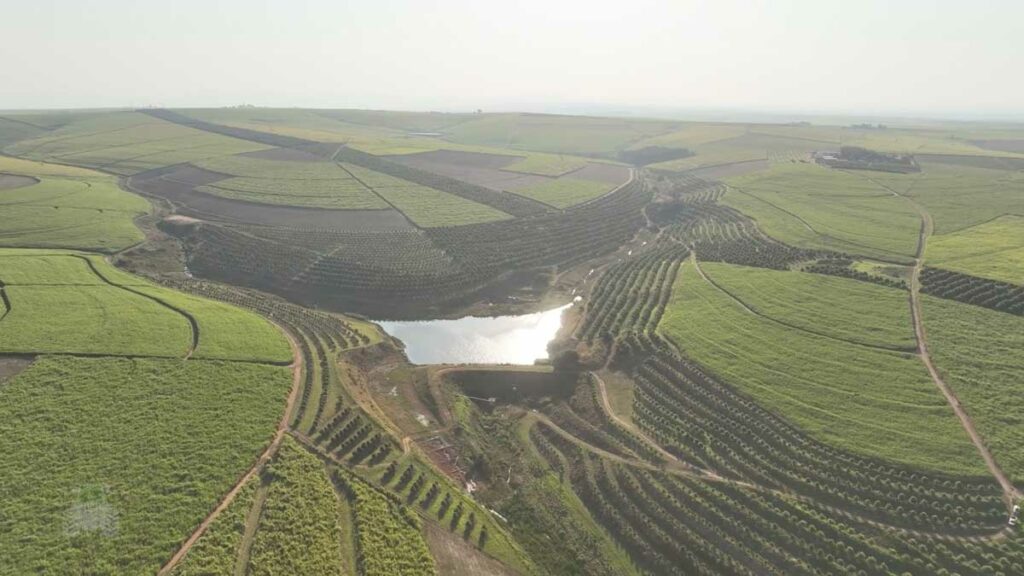
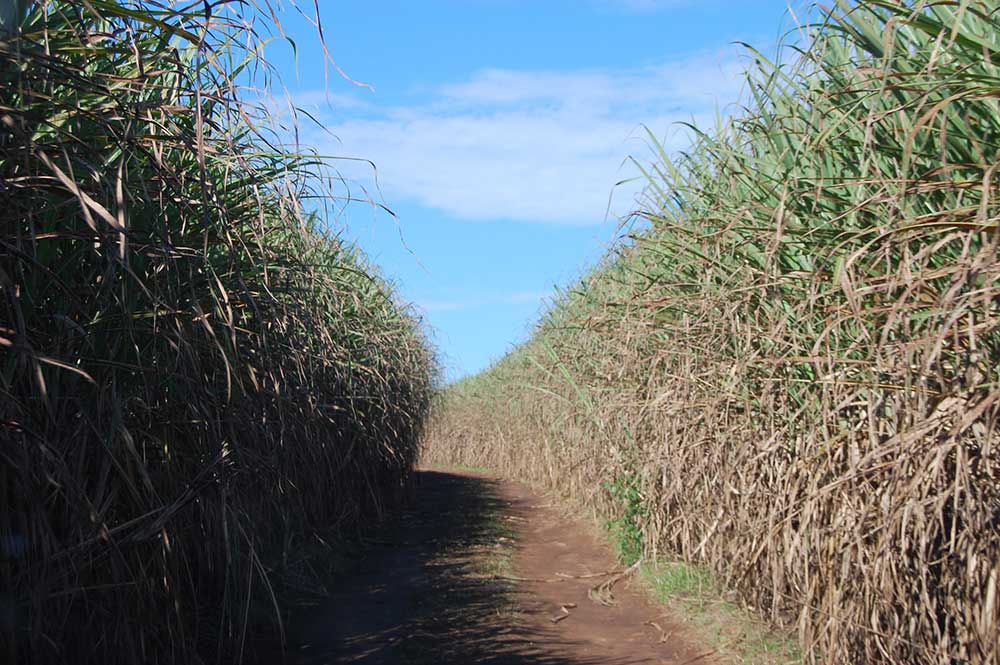
Here is something most people driving along the R614 never realise: the tall green wall of sugarcane beside the road is probably well over a year old. In the cooler KwaZulu-Natal Midlands, cane can stand in the field for close to two years before it is cut, and the same roots will keep sending up new crops for many seasons after that. Sugarcane is not a quick crop. It is a long game, played with patience, heavy machinery and a sharp eye on the weather.
If you have ever wondered how sugarcane farms in KZN actually work, from the first planting to the truck that rumbles off to the mill, this guide walks you through it. It is written from our own fields at Estorf Farms, a 250-hectare sugarcane farm near Dalton, with the industry facts checked against the organisations that run South Africa’s sugar sector.
The short version
- About 25,000 registered growers produce roughly 20 million tons of sugarcane a year in South Africa, almost all of it in KwaZulu-Natal and Mpumalanga.
- Ten of the country’s 12 sugar mills are in KZN, so most cane only travels a short distance from field to factory.
- Midlands cane traditionally grows on a 24-month cycle, longer than on the warm coast, although newer varieties can be cut sooner.
- One planting gives several harvests: after each cut, the stool regrows as a ratoon crop.
- The milling season usually runs from about March or April to December.
Why KwaZulu-Natal Is South Africa’s Sugarcane Heartland
Sugarcane needs warmth, rain and time, and KZN’s eastern seaboard delivers all three. According to the South African Sugar Association (SASA), around 25,000 registered growers produce an average of 20 million tons of cane a year from 12 mill supply areas that stretch from southern KwaZulu-Natal to the Mpumalanga Lowveld.
The factories are just as concentrated. SASA’s industry overview lists 12 sugar mills, ten of them in KwaZulu-Natal and two in Mpumalanga, and says the industry creates about 65,000 direct jobs and 270,000 indirect jobs, mostly in rural areas where work is scarce. For towns like Dalton, cane is not just a crop. It is the local economy.
| Fact | Figure |
|---|---|
| Registered sugarcane growers in South Africa | About 25,000 |
| Average cane crop per year | About 20 million tons |
| Sugar mills | 12 (10 in KwaZulu-Natal, 2 in Mpumalanga) |
| Direct jobs created by the industry | About 65,000 |
| Indirect jobs | About 270,000 |
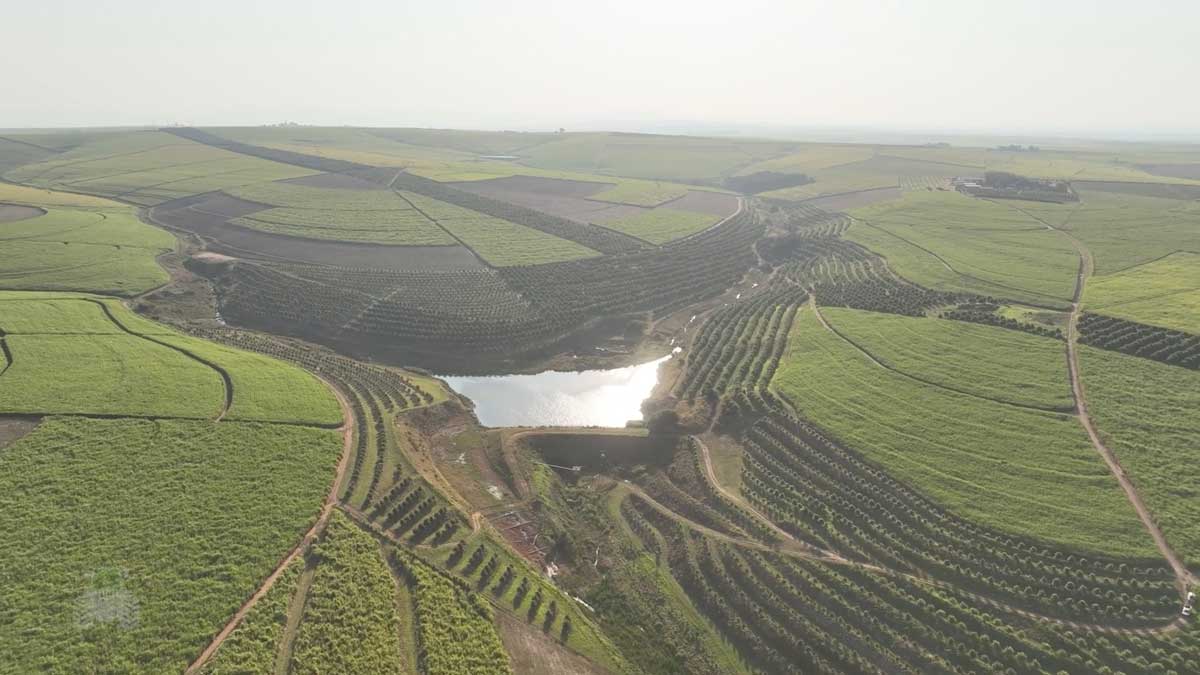
| Estorf Farms’ cane area | About 250 hectares, roughly 5 km from the mill |
Where the Sugarcane Farms in KZN Are
Drive the province from south to north and you pass through very different cane country. The official sugarcane control areas published in the Government Gazette include the North Coast, Midlands North, Midlands South, Sezela, Umzimkulu and the irrigated areas further north around Pongola and the Makhathini Flats. Each region grows cane differently because the climate differs so much.
- The North and South Coasts. Warm, humid and mostly rainfed. These are the classic postcard cane fields rolling down to the sea.
- The Midlands. Higher, cooler and frost-prone in places. Cane here grows more slowly, which is why fields are left standing longer before harvest. Estorf Farms sits in this region, near Dalton.
- Zululand and the far north. Hotter and drier, with more irrigation. Irrigated cane can grow quickly and is often cut on shorter cycles.
A Year (or Two) in the Life of a Midlands Cane Field
Here is what really happens on a Midlands cane farm, step by step.
1. Preparing the land
Before a single stalk goes in, the soil is tested, limed and fertilised where needed, and old cane stools are removed. Good preparation matters more with cane than with most crops, because a well-established field can stay productive for many years.
2. Planting
Cane is not grown from seed on farms. It is planted from pieces of stalk, called setts, laid in furrows and covered with soil. Each sett has buds that sprout into new shoots. Timing matters too: the South African Sugarcane Research Institute (SASRI) advises growers in high mosaic-risk areas such as the KZN Midlands not to plant between 1 November and 1 February, to reduce the risk of disease.
3. Growing season
Over the following months the shoots tiller, the canopy closes and the stalks start storing sugar. In the Midlands, cooler winters slow everything down. For decades the standard was to harvest Midlands cane at about 24 months. SASRI’s research on optimal harvest age for Midlands varieties found that many newer varieties perform best when harvested between 12 and 19 months, while the traditional 24-month cycle remained the best option for the variety N12 in the Midlands South.
4. Harvest
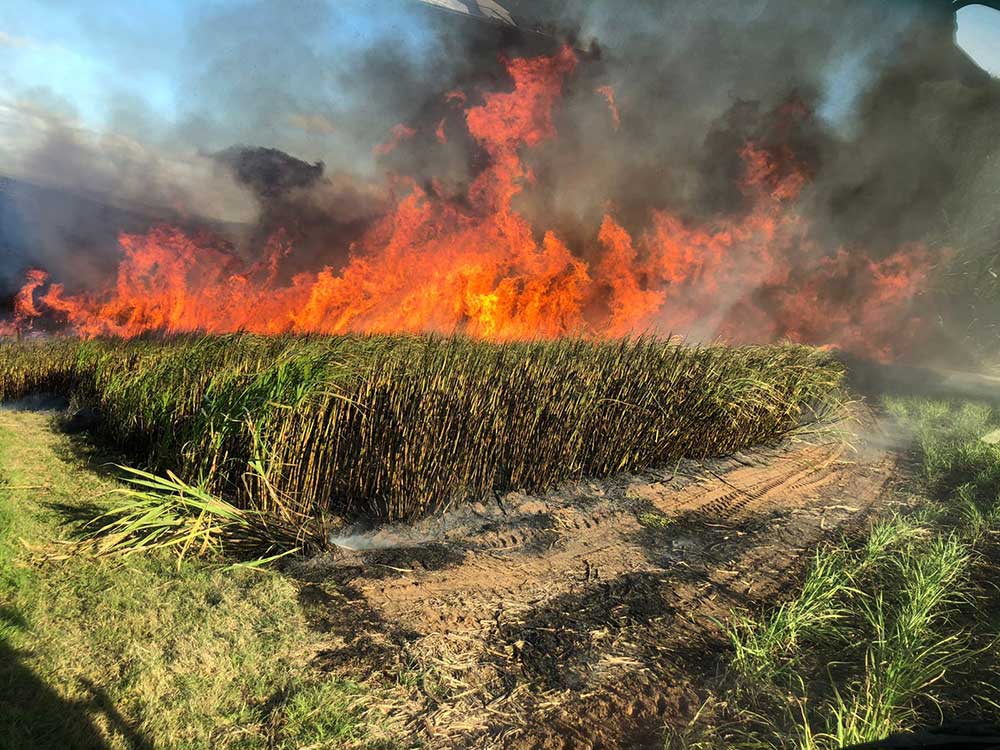
When the cane is ready, fields are cut, either by hand or with machinery, and the stalks are bundled for loading. Many growers burn the dry leaves off first, which is why you sometimes see smoke over the hills in winter. More on that below.
5. Ratoons: the crop that keeps coming back
This is the clever part. After harvest, the stool left in the ground sprouts again and grows a new crop, called a ratoon. A field can produce several ratoon crops before yields drop and it is time to replant. Choosing varieties that ratoon well is one of the biggest decisions a cane farmer makes.
Did you know? Because one planting can give several harvests, the cane field you see today may have been planted many years ago. The roots stay. Only the stalks are cut.
Why Are Sugarcane Fields Burned Before Harvest?
It is one of the most common questions people ask about sugarcane farms in KZN. Burning a field before harvest removes most of the dry leaves, known as trash, while leaving the juicy stalks standing. That makes manual cutting faster, cleaner and safer for the cutters, and it means less leaf material goes to the mill with the cane.
Burning is carefully planned, done in controlled conditions and only shortly before cutting, because burnt cane must reach the mill quickly to keep its sugar. Some growers harvest green instead and leave the trash on the field as a protective blanket for the soil. Both approaches have trade-offs, and many farms use a mix depending on the field, the weather and the labour available.
From Field to Mill: The Race Against the Clock
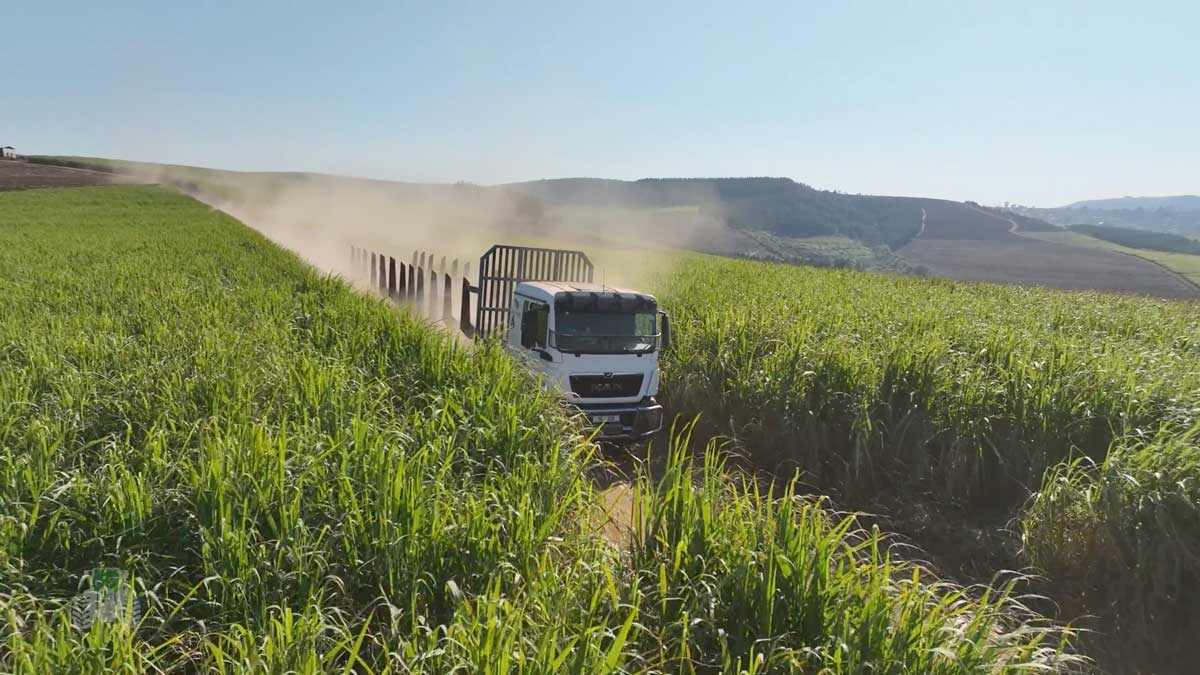
Once cane is cut, the clock starts ticking. Cut cane slowly loses sucrose, so the faster it reaches the crushers the better. This is why location is everything for a cane farm. Our fields at Estorf Farms are only about 5 km from the mill, which keeps haul times short and quality high.
Mills crush cane during the milling season. Most mills open between March and early April, and the season traditionally runs until about mid-December, depending on how much cane is available. Growers are paid according to the value of the cane they deliver, based on its recoverable sugar content, so quality on delivery directly affects income.
| Stage | What happens | Why it matters |
|---|---|---|
| Cutting | Stalks are cut close to the ground and topped | Clean cutting protects the stool for the next ratoon |
| Loading | Cane loaders lift bundles onto trailers or trucks | Fast loading keeps cut cane fresh |
| Haulage | Tractors, trailers and trucks carry cane to the mill | Short distances reduce cost and sugar loss |
| Weighing and sampling | The mill weighs each load and tests a sample | Payment depends on the recoverable sugar in the cane |
| Crushing | Cane is shredded and crushed to extract juice | The juice is processed into raw sugar |
The Machines Behind a Sugarcane Farm
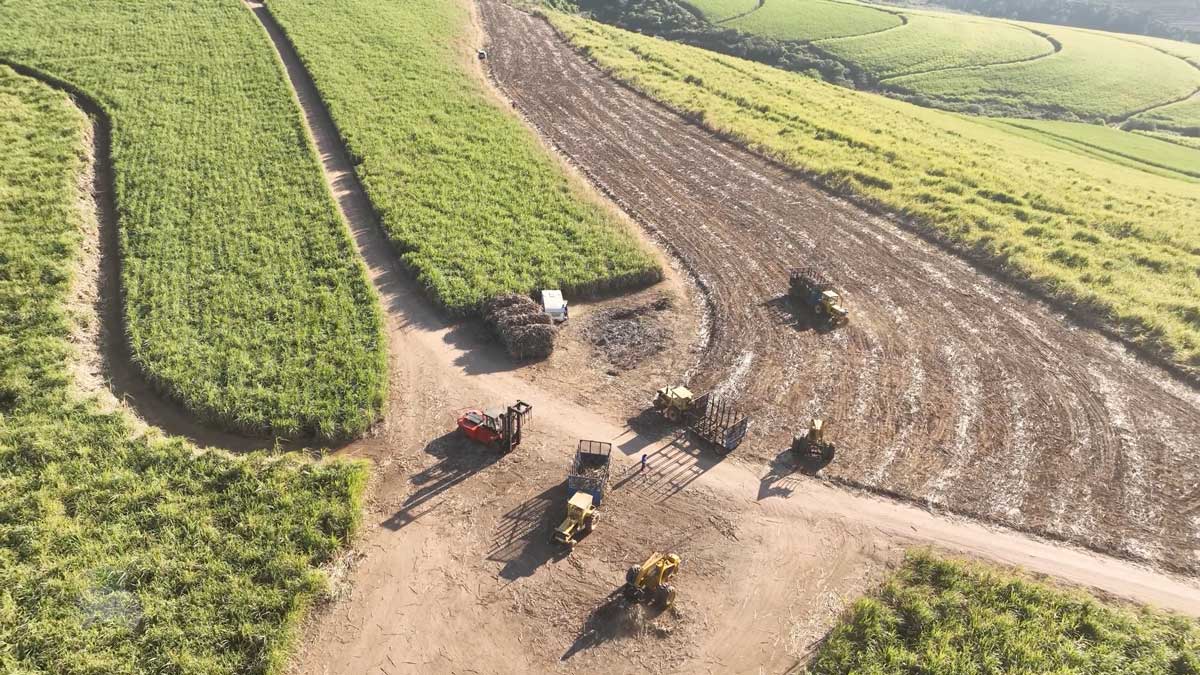
A cane farm runs on steel as much as on soil. Tractors, cane loaders, trailers and trucks work long hours through the harvest, and every breakdown costs time and sugar. That is why Estorf Farms runs its own agricultural workshop, which has built more than 100 machines, including tip trailers and the tri-axle and interlink trailers that cart cane and timber.
When an engine needs attention, parts come from our sister company Estorf Teile, a Deutz engine parts specialist. Keeping parts and skills on the same farm means a tractor that goes down in the middle of the season can be back in the field quickly.
Challenges Facing Sugarcane Farms in KZN Today
Cane farming in KwaZulu-Natal is rewarding, but it is not easy. Weather is the biggest variable: in 2024, SA Canegrowers expected the harvest to come in about 10% lower than average because of unusually dry conditions across most of the province’s growing areas. Rising input costs, cheap sugar imports and pressure on some mills add to the strain.
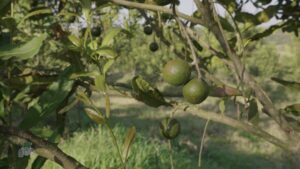
Many farmers have responded by spreading their risk. At Estorf Farms, sugarcane remains the core, but it now sits alongside avocado orchards planted since 2020 and macadamia orchards, supported by our own Mac Plant for drying macadamias. Different crops, different seasons, different markets.
Thinking of Growing Sugarcane in KZN? Start Here
We regularly hear from people who have land in KwaZulu-Natal and want to know whether sugarcane could work for them. Every situation is different, but these are sensible first steps:
- Talk to the nearest mill. Cane only makes sense if a mill can take your crop at a reasonable haul distance. The mill’s grower services team can tell you whether they are accepting new growers.
- Contact SASRI’s extension service. SASRI has around 20 extension specialists across the sugar industry who advise growers on varieties, nutrition and best practice.
- Join the growers’ association. The South African Canegrowers’ Association represents growers and is a valuable source of local knowledge and support.
- Test your soil and check your water. Soil type, slope and rainfall determine which varieties suit your land and how long your crop cycle will be.
- Plan your equipment and labour. Planting, harvesting and haulage all need machinery and people. Work out early whether you will own, hire or contract.
Sugarcane Farms in KZN: Frequently Asked Questions
How many sugarcane farms are there in KZN?
There are about 25,000 registered sugarcane growers in South Africa, and the vast majority farm in KwaZulu-Natal. They range from large commercial farms to small-scale growers with a few hectares.
How long does sugarcane take to grow in KZN?
It depends on the region and variety. Irrigated cane in warmer areas can be cut at around 12 months. In the cooler Midlands, the traditional cycle is about 24 months, although many newer varieties perform best when harvested between 12 and 19 months.
When is sugarcane harvested in South Africa?
During the milling season, which usually starts between March and early April and runs until about mid-December.
Where is Estorf Farms’ sugarcane grown?
On our farm near Dalton on the R614, in the KwaZulu-Natal Midlands, about 5 km from the mill. See our sugarcane farm page for more.
Does Estorf Farms have jobs on its sugarcane farm?
We don’t advertise vacancies online. For job enquiries, phone the office on 033 940 0204 during office hours.
See a Midlands cane farm for yourself
Estorf Farms has grown sugarcane near Dalton for generations, alongside avocados, macadamias and our own workshop. Have a question about our cane, our machinery or macadamia processing? Get in touch with our team or call 033 940 0204.